Youth Voices: Stories That Need to Be Heard
The adults provide mentorship, instruction, safety, and logistical support. The young people provide the voice.
From story, to song, to community action
Gunpowder Productions is developing a youth-centered project in collaboration with founder Drew Pulver's work teaching Song Creation & Theater at Doral Academy Pebble. The project — currently being developed for the City of Las Vegas Youth Neighborhood Association Partnership Program (YNAPP) — is built around youth leadership, literacy, songwriting, theater, and community engagement.
Students identify issues affecting young people and their community, research and discuss those issues, and transform their observations and experiences into original songs, scenes, monologues, and short theatrical works.
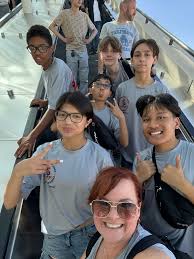
Writing a song is an act of literacy
Creating an effective song requires students to read and interpret stories, identify important ideas and emotions, develop vocabulary, organize thoughts, write original language, revise and edit, consider rhythm and metaphor, communicate to an audience, listen critically, and reflect on their own creative decisions.
Reading & Interpretation
Students read and interpret stories — their own and others' — before they ever put pen to paper.
Writing & Revision
Original language, structure, rhythm, and metaphor are drafted, revised, and refined like any piece of writing.
Performance & Reflection
Theater extends those skills into public speaking, collaboration, empathy, and civic dialogue.
Gunpowder's youth work seeks to make literacy active, creative, relevant, and purposeful.
Technology in service of student voice
Students at Doral Academy Pebble have already created original songs and scenes dealing with contemporary and emotionally difficult subjects — in some projects, experimenting with artificial intelligence as a creative tool. Gunpowder's philosophy is that emerging technology should support, not replace, student creativity. Students remain the decision-makers and authors of their work.
A student identifies a subject or experience worth exploring.
Students research the issue and listen to relevant stories and perspectives.
Ideas are shaped into early lyrics, scenes, or structure.
Where useful, students may critically and responsibly use AI as one tool among many.
Students evaluate what's been drafted and revise it in their own voice.
The finished work is shared with an audience.
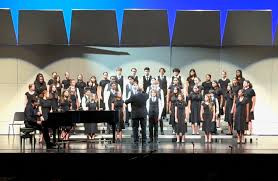
Youth voices across the country
Doral students have also participated in social-impact creative work connected with Get Loud Studios in New Orleans and its Born After the Storm project. Students engage with stories from young people whose lives and communities continue to be affected by Hurricane Katrina, then create songs inspired by those storytellers.
Listen to another person's story. Understand its context. Respond creatively. Create something meaningful. Give that story another audience.
This work connects youth in Nevada with youth voices from another region of the country — demonstrating how theater and songwriting can create empathy and cultural exchange across communities. Gunpowder's educational work has also involved collaboration connected with the Kennedy Center in Washington, D.C.
Help expand youth creative literacy
Support programming that connects songwriting, literacy, theater, youth leadership, and social impact.
Support Youth Voices